
Build A Fair Soccer Substitution Plan Fast
Build a fair soccer substitution plan before kickoff with minute targets, rotation blocks, and a sideline tracking routine.
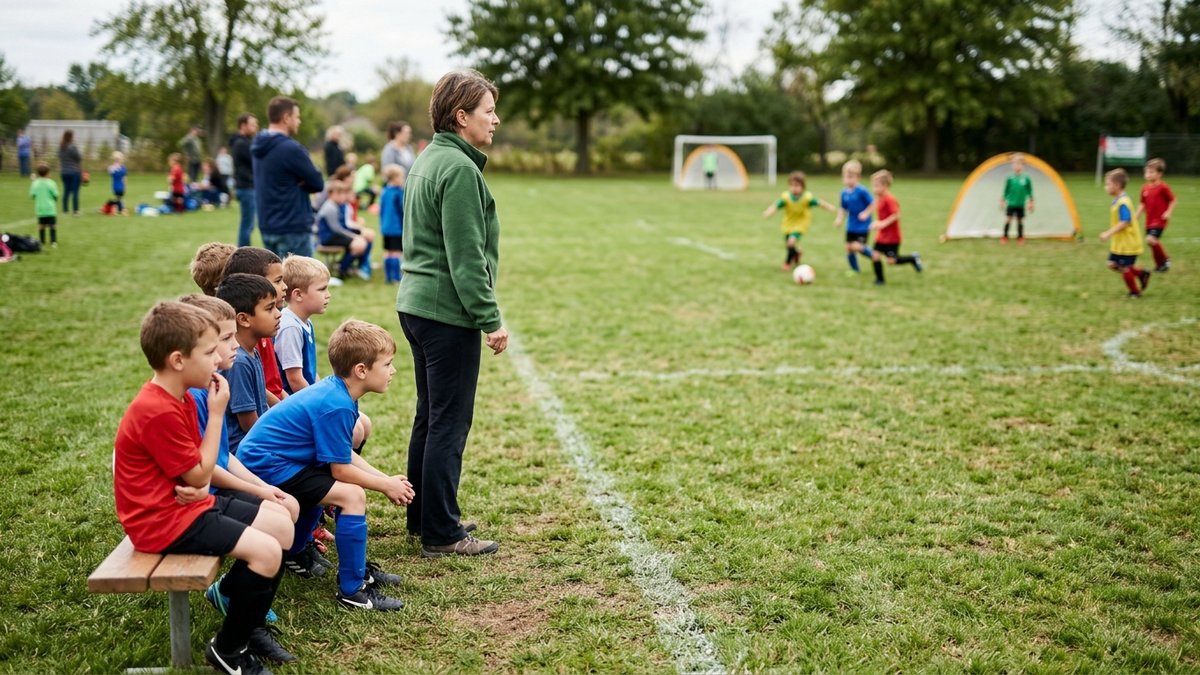
You have 12 players, a parent asking who starts, and a referee already checking nets. The fair soccer substitution plan can’t live in your head at that point. It needs to be visible before kickoff, loose enough for late arrivals, and plain enough that an assistant can follow it while you coach the game.
How Do You Build A Fair Soccer Substitution Plan Before Kickoff?
Start with minutes, not starters. A fair soccer substitution plan gets messy when the first decision is who opens the game, because the bench minutes become whatever is left after the match gets loud.
Use the Sideline Minute Map: target, block, backup, track. Target each player’s minutes first. Block the match into realistic sub windows. Add one backup move for a late arrival, injury, or tired player. Track every change before you watch the next passage of play.
That framework works because it matches the real sideline sequence. You aren’t solving the whole match at once. You’re giving yourself four small decisions that can survive pressure.
For a 7v7 game with a 12-player roster, the first draft may be two balanced groups and one floating player. For 9v9 with 13 players, it may be two or three players rotating at each window. The exact math changes, but the job stays the same: keep the shape stable while bench time stays visible.
If you already use a digital tracker, set up the roster before warmups. Pitch Planner’s playing time tracker is built around that pregame habit, because the hardest part isn’t calculating minutes. The hard part is remembering the plan while the match is happening.
Write the plan where your assistant can read it. A plan buried in phone notes can disappear once you start coaching. A visible chart makes halftime easier because the next rotation is already obvious.
What Rules Should You Check Before Making Substitutions?
Check your league, club, and competition rules before you decide the rotation windows. Soccer’s Laws require the referee’s permission for a substitution, and youth competitions often add their own rules about when teams may substitute.
The practical takeaway is modest but important. Don’t build a plan that depends on stoppages your league doesn’t allow. A five-minute timer is helpful only if the next legal substitution moment is likely to arrive.
Some youth formats allow frequent or unlimited re-entry, while others limit substitutions to certain stoppages. That difference changes how aggressive your plan can be. With liberal re-entry, you can rotate in smaller groups. With tighter stoppage rules, you need backup windows so one missed chance doesn’t wreck the half.
Use the rules as guardrails, not as the whole plan. The referee controls the substitution moment. You control who is ready and whether the change keeps your formation recognizable.
This is where coaches often lose fairness by accident. The plan may be fair on paper, but a missed stoppage turns into two missed players. By halftime, the coach is solving a math problem instead of talking about spacing, effort, or the next adjustment.
When in doubt, ask the referee before kickoff how substitutions will be handled. That short question prevents confusion near midfield.
How Many Players Should You Sub At One Time?
Sub as few players as you can while still keeping your minute targets on pace. One or two changes usually protect the team’s shape better than a full line change in 7v7 or 9v9.
The tension is real. Fairness pushes you to move players. Match rhythm pushes you to avoid breaking the team apart. If you sub five kids at once, you may fix the bench count and lose the shape that helped your team play.
A good rule is to rotate around the formation spine. Keep at least one steady defender, one central player, or one confident organizer on the field when possible. Younger teams need that anchor more than coaches expect.
That doesn’t mean the same player stays on forever. It means each window has a field balance check. If your goalkeeper changes, avoid changing the whole back line too.
For a 12-player 7v7 roster, try three windows per half with two players moving each time. For a 13-player 9v9 roster, two or three players per window may work better.
The biggest mistake is making the first rotation too late. A late first window creates a fairness debt. Once one player has sat for 18 minutes, the next few changes become a scramble to repair the numbers.
Tie your first window to a clock cue you can remember. Eight to 10 minutes works for many younger formats because it is early enough to prevent bench drift. If your league uses quarters, the quarter break can become a natural reset.
How Do You Keep The Plan Fair When The Game Changes?
Protect fairness by tracking the exception as soon as it happens. Late arrivals, injuries, lopsided scorelines, and tired players don’t ruin a fair plan unless you try to remember the correction later.
Use a small note next to the player’s name: late, injury, keeper, tactical, or asked for rest. Minutes alone don’t tell the whole story.
Goalkeeper time deserves its own line. A child who spends a half in goal may still need field minutes for development, especially at younger ages. If you count keeper minutes as regular field minutes without thinking, one player can quietly lose chances to play outside the box.
Attendance also changes the plan. If a player arrives after kickoff, don’t punish the rest of the roster by rewriting everything from scratch. Put the late player into the next legal window, then adjust the second half once you see the real roster.
Pitch Planner’s lineups and formations help is useful here because formation planning and substitution planning touch each other.
The Sideline Minute Map has a backup step for this reason. Before kickoff, write one “if needed” move. If your striker tires early, who can move up? If your right back is late, who starts there without stealing a full half from someone else?
Parent pressure gets easier when the exception is documented. You need a calm, specific explanation. For example: “She missed the first window because she arrived after kickoff.”
How Do You Track Substitutions Without Losing The Match?
Track the substitution at the moment the player enters. If you wait for the next stoppage, the match will give you another problem before your note gets made.
This is the coach’s hardest tradeoff. Your eyes belong on the field, but your fairness record falls apart if nobody records the change. The answer is a tiny sideline routine, not a perfect spreadsheet.
Before the match, decide who marks the tracker. If you have an assistant or team manager, give that person the job. If you’re alone, use the shortest possible mark: player off, player on, minute. Anything longer will fade once the game gets busy.
The routine should happen in the same order every time. Call the player. Confirm the position. Get referee permission. Mark the change. Then coach the next phase. When the order stays steady, the task gets less mentally expensive.
Digital tools help when they reduce sideline friction. The getting started guide for the time tracker shows the kind of setup that saves time later. Keep the roster ready and the match clock visible.
Paper can still work if the chart is clean. Put every player in the left column, sub windows across the top, and a small check when they play. Keep it clipped where the wind won’t turn your fairness plan into a sideline scavenger hunt.
After the game, take one minute to close the loop. If someone finished short, note the reason. Give that player priority next match when the context allows it.
Fairness over a season is usually more honest than fairness in one messy game. One match can have injuries, absences, and tactical needs. A season log shows whether those exceptions became a pattern.
The rotation repair rule
Test the plan against one late arrival and one injury before kickoff. If the original player group is still available, follow the next window. If a position or player disappears, protect the safe shape first, log the change, and move the missing minutes into the next realistic window. A plan is useful when it can be repaired without deleting what already happened.
FAQ
Should Every Youth Soccer Player Get Equal Minutes?
Younger teams usually work best with equal or near-equal minutes, unless safety, attendance, or league rules create a clear exception. Older competitive teams may use more flexible minutes, but every player still needs a standard the coach can explain.
What Is The Easiest Substitution Rotation For 7v7?
For many 7v7 teams, two-player rotations every 8 to 10 minutes are easier to manage than big group changes. Keep one steady player in the back or middle so the formation doesn’t collapse after each window.
How Do I Handle A Player Who Arrives Late?
Put the late player into the next legal substitution window and mark the reason beside their name. Don’t rebuild the whole plan during live play unless the roster change creates a safety or position problem.
Should Goalkeeper Minutes Count As Playing Time?
Goalkeeper minutes count as time on the field, but they shouldn’t always replace field-player development minutes. Track keeper time separately when players rotate through goal, especially in younger age groups.
What Should I Tell Parents About Playing Time?
Tell parents before the season how you handle minutes, attendance, effort, injuries, and game-specific exceptions. After a match, use your tracker to explain the decision calmly instead of relying on memory.
Can A Substitution App Replace Coach Judgment?
A substitution app can help track minutes and prevent forgotten bench time, but the coach still owns the decisions. Use the tool to reduce memory errors, then adjust for rules, player fatigue, and match context.
Fair substitution plans work best when they’re boring before kickoff. Set the target minutes, choose the first windows, write one backup move, and give someone the tracking job.
For more detail on equal playing time logic, read the FairSub equal playing time guide.
NEXT STEP FOR MATCH DAY
Keep the lineup and next substitution decision in view.
Set the starting group, track player minutes, and record the match while you coach from the sideline.