
Youth Soccer Event Schedule Changes Coaches Should Plan
Two ECNL updates give youth soccer coaches a clear planning job: check playoff logistics now, then build next season's event calendar early.
Published · Updated
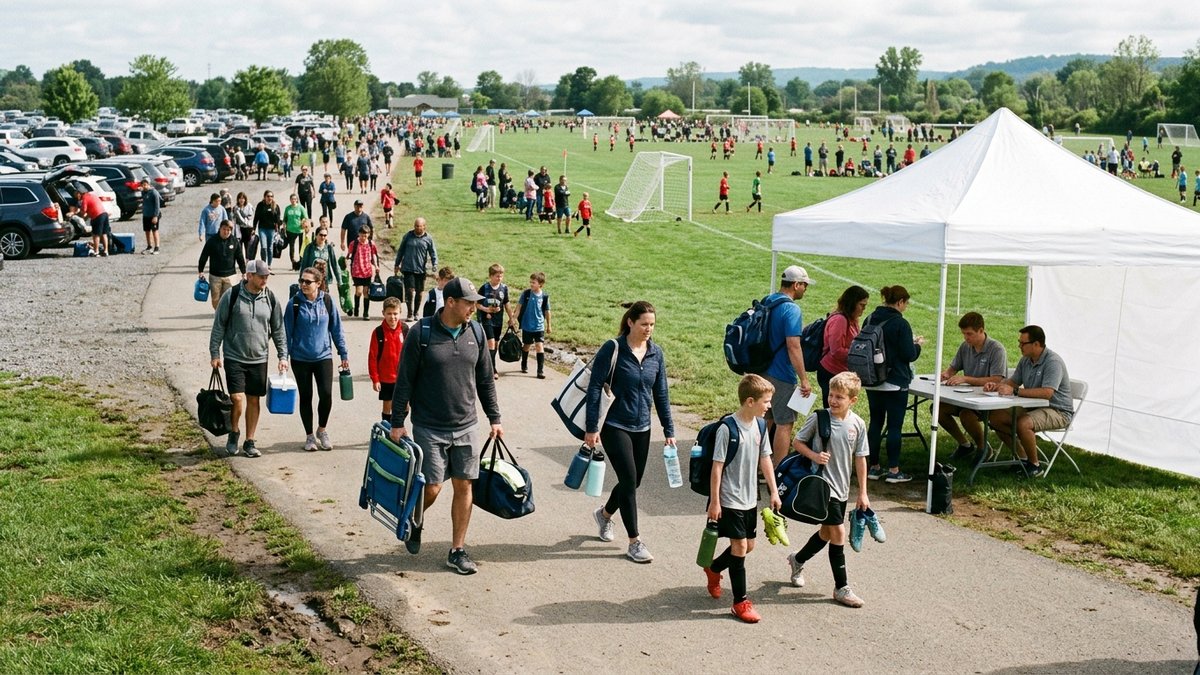
The useful youth soccer update this week is not a final score or a trophy photo. It is a planning signal. ECNL posted two operational updates that should make coaches, managers, and club admins look at their calendars before the summer gets louder.
On June 5, the league’s Regional League Playoffs update said hundreds of Regional League teams will compete across five geographically placed playoff events over the next month. On June 3, its 2026-27 event schedule announcement listed more than 60 events across ECNL, ECNL Regional League, and Pre-ECNL, including a tournament competition format for U15-and-younger events.
What Changed In Youth Soccer Event Planning This Week?
ECNL published two schedule-related updates that affect how teams should plan travel weekends, roster communication, and next season’s training calendar.
The first update is immediate. In the June 5 playoff announcement, hundreds of teams from ECNL Regional Leagues are expected to compete at five playoff events over the next month, with events placed geographically to help manage travel from surrounding regional leagues. That matters even for coaches who are not personally running the event, because travel weekends usually change substitution plans, recovery time, parent expectations, and player availability.
The second update is longer range. In the June 3 schedule announcement, the 2026-27 calendar includes more than 60 regular season events across ECNL, ECNL Regional League, and Pre-ECNL. The same announcement says every U15-and-younger event will be a tournament competition with championships available.
For a coach, those details point to a simple job: turn league announcements into team-level decisions. Your players do not experience “more than 60 events” as a headline. They experience a Friday arrival, a Saturday morning warmup, a short bench, a goalkeeper rotation, tired legs on Sunday, and parents asking which game matters most.
How Should Coaches Handle Summer Playoff Logistics?
Coaches should confirm who is available, who is cleared to travel, and how the bench will be managed before the playoff weekend starts.
Start with availability. A playoff weekend can fall at the same time as family trips, school events, summer camps, or guest-player needs. If you wait until the week of the event, you may build a lineup around players who cannot actually make the first match.
This is where a coach and manager handoff matters. The coach needs the soccer view: positions, minutes, rest, and matchups. The manager needs the logistics view: hotel blocks, arrival times, uniforms, waivers, and parent questions. If those two views live in separate text threads, small misses become match-day stress.
Use your attendance tracking process as the first checkpoint. Mark who is fully available, who is partial, who needs a ride, and who may arrive late. Then separate “available” from “ready for full minutes.” A player who can attend all weekend may still need limited time because of injury, fatigue, or another sport.
The next step is to draft a bench plan before you talk about tactics. If you have a 14-player 11v11 roster for a travel weekend, your substitution choices are not just about winning one match. They are about keeping players useful across the whole event. Write down which players need protected rest, who can cover more than one line, and which positions cannot be left thin.
What Should Team Managers Tell Families About The 2026-27 Schedule?
Team managers should tell families that league schedules are planning inputs now, not background information to read later.
The June 3 schedule announcement is especially important because it gives clubs and teams a longer runway. A calendar that includes more than 60 events across league levels will not affect every team the same way, but it does tell families that event weekends need early attention. Families can plan around soccer more calmly when they know which weekends might carry heavier stakes.
For U15-and-younger teams, the tournament competition format is the part to explain in plain English. Younger players may hear “championship” and feel pressure. Parents may hear it and assume every game should be treated like a final. Coaches and managers need to set expectations before the first event, especially around playing time, rest, and development goals.
A good family note can be short. Name the event window, explain what is known, say what is still pending, and list what families should do this week. That might mean updating availability, checking travel conflicts, or watching for club-level instructions.
Avoid overloading the first message with every detail. Send the calendar signal first, then follow with team-specific instructions once assignments and event details are confirmed. Parents usually do better with one clear action than five vague reminders.
How Can Coaches Turn League Updates Into A Sideline Plan?
Coaches can use the Calendar-To-Sideline Check: dates, roster, roles, then rotations.
First, translate the league date into a team date. That means more than adding the event to a calendar. Ask when players need to travel, when warmups begin, how many games could happen in two or three days, and where the recovery windows are.
Second, translate the roster into position coverage. A playoff or tournament weekend exposes thin spots quickly. If one defender misses Saturday morning, does your back line still work? If your goalkeeper also plays in the field, when does that player rest? If two midfielders are carrying small injuries, who can handle extra minutes without changing the whole formation?
Third, translate adult roles before the event. One adult should own parent updates. One should help with check-in or uniform details. One should protect the coach from solving every logistics question five minutes before kickoff. This is not about adding bureaucracy. It is about keeping the soccer decisions with the coach when the sideline gets busy.
Finally, translate the plan into rotations. Build your lineups and formations with the full weekend in mind, then use your time tracker or notes to keep the plan honest. If you promise yourself that a center back needs rest in match two, do not rely on memory when the score gets tight.
What Should Younger Teams Watch With Tournament-Format Events?
Younger teams should watch fatigue, expectations, and uneven minutes more closely when an event is framed as a tournament competition.
The June 3 schedule announcement says every U15-and-younger event will be a tournament competition with championships available. That is exciting, but it can also change how adults behave around a youth weekend. A normal league game can suddenly feel like a must-win situation, even for players who still need development time and calm sideline guidance.
The coaching job is to separate competitive standards from panic. Players can compete hard without every substitution becoming a referendum on trust. Parents can understand the stakes without assuming the same eight players should carry every match.
This is where the Calendar-To-Sideline Check earns its name. Before the event, decide which parts of your plan are flexible and which parts are not. Maybe your formation can change if you chase a game, but your goalkeeper rest plan cannot. Maybe your striker rotation can adjust, but every player still needs a clear role.
Track minutes across the weekend, not just within one match. A player who sits more in game one may need a cleaner role in game two. A player who plays the full first match may need a planned break before the semifinal or consolation match. A playing time tracker makes those decisions easier to explain because the record is visible instead of emotional.
The calendar-to-lineup check
Take the confirmed event date and trace it into training, attendance, travel, and the match-day roles. If the roster and staff cover the event, publish the plan. If either is uncertain, assign an owner and a confirmation date before promising families a final schedule. The calendar should change a lineup decision before it becomes a last-minute message.
Youth Soccer Event Schedule Changes Coaches Should Plan FAQ
Did ECNL Announce A New 2026-27 Event Schedule?
Yes. The June 3 schedule announcement covers ECNL, ECNL Regional League, and Pre-ECNL. It said the 2026-27 season will include more than 60 regular season events.
What Is Different For U15-And-Younger ECNL Events?
The June 3 announcement said every U15-and-younger event will be a tournament competition with championships available. Coaches should plan for the way that format can affect rest, expectations, player roles, and parent questions.
What Did ECNL Say About Regional League Playoffs?
On June 5, 2026, the playoff announcement said hundreds of Regional League teams will compete at five geographically placed playoff events over the next month. Coaches and managers should treat that as a travel, roster, and communication checkpoint.
Should Coaches Change Playing Time Plans For Tournament Weekends?
Coaches should plan playing time across the whole weekend instead of only one match. That does not mean every player gets the same role in every game, but it does mean rest, development, and availability should be planned before the score starts driving every decision.
How Early Should Families Update Availability?
Families should update availability as soon as an event window becomes realistic for the team. Early availability helps coaches plan lineups, managers plan travel communication, and players understand what the weekend may ask of them.
The practical step this week is to run one calendar meeting before the next parent message goes out. Put the ECNL playoff and 2026-27 schedule items on the table, mark what affects your team, and assign one person to collect availability, one person to watch event details, and one person to turn the roster into a weekend rotation plan.