
Manage Soccer Substitutions In Real Time
Use a simple sub clock, live minute tracker, and checked league rules to manage soccer substitutions without losing the sideline.
Published · Updated
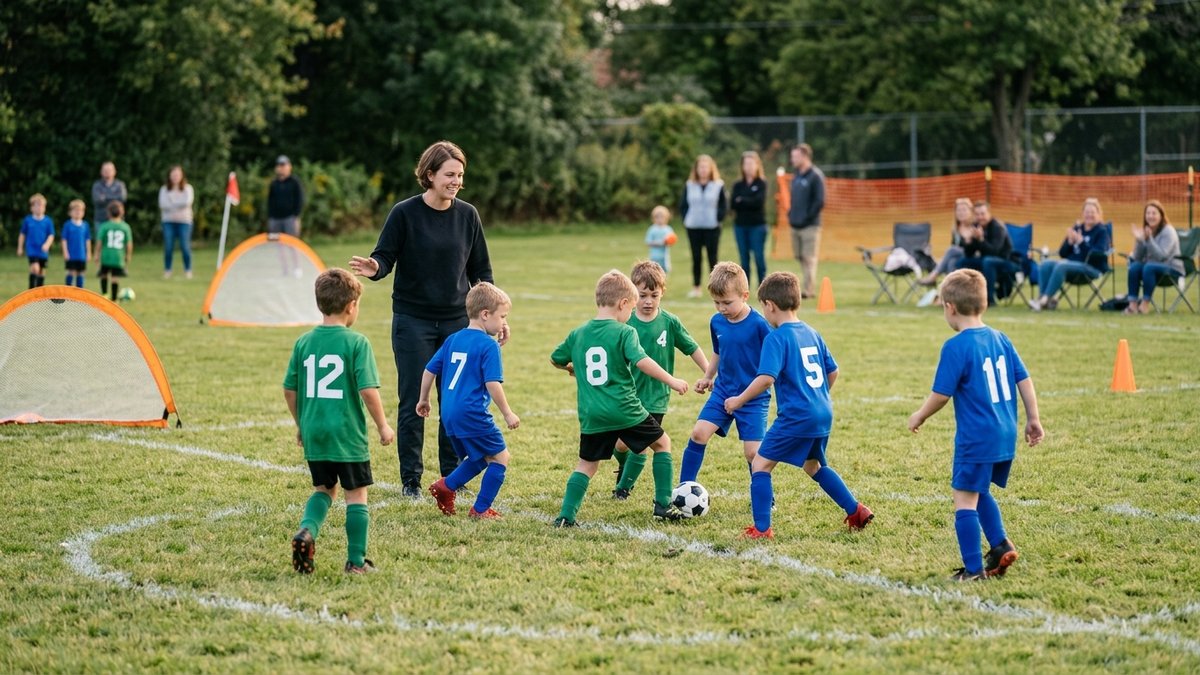
A player is standing next to you with a pinnie in hand. The ball has gone out for a goal kick. Two parents are watching the bench, your center back is tired, and you can’t remember whether your left winger already sat once.
That is the moment most youth soccer substitution plans break down. The easiest way to manage substitutions in real time is to track minutes and positions together, then make changes at planned stoppages.
What Is The Easiest Soccer Substitution System During A Game?
The easiest soccer substitution system is a preplanned rotation that tracks player minutes and field positions in the same place. A coach should be able to glance down and see who is on, who is due next, and where the next player should enter.
Call it the Sub Clock Framework: rule check, rotation blocks, visible tracker, early bench cue, and quick postgame check. The framework is plain enough for a volunteer assistant, but it still protects the details coaches lose under pressure.
Start before kickoff with the league rules. Rise FC Soccer’s youth substitution rules guide notes that many youth leagues allow frequent substitutions at stoppages, but local rules still control the exact windows. Some competitions allow re-entry freely. Others limit when a substitute can enter.
That rule check matters because a fair rotation only works when the coach knows the allowed moments. A system that asks for changes every six minutes won’t help if your event only allows subs at specific stoppages.
Once the rules are clear, build the first rotation around the real roster. A 7v7 team with two bench players has a different rhythm than an 11v11 team with six available subs. A coach with late arrivals also needs a plan that can absorb changes without starting over.
Pitch Planner’s time tracker setup guide is useful here because it keeps minutes visible while the match is moving. Paper can work too. The key is that one person can update it quickly without asking the head coach to remember every shift.
How Should A Coach Track Who Has Played Where?
A coach should track minutes and positions together, because playing time alone doesn’t show whether a player was moved across the field. Write each player, current position, time on, time off, and next target in one live view.
That last field, next target, is what keeps the sideline calm. It stops the coach from asking, “Who is next?” after the ball is already out. It also gives the assistant one clear job during the match.
For a 50-minute match with two bench players, a simple pattern is to swap two players every 7 to 8 minutes, then adjust for fatigue or injuries. That doesn’t mean the clock controls every choice. It gives the coach a base plan.
Position tracking also helps with development goals. If one player always enters at striker because that is easiest to remember, the rotation can look fair on minutes while still being narrow on experience. A position note makes that pattern visible.
Use abbreviations that your assistant can read at game speed. GK, RB, CB, CM, W, and ST are enough for most sideline sheets. If your age group uses 7v7 or 9v9 shapes, keep the labels matched to your usual formation.
For teams that plan lineups in advance, Pitch Planner’s lineups and formations guide gives the lineup side of this workflow a steady home. The match-day tracker should then record what actually happened after the first whistle.
When Should Youth Soccer Coaches Make Substitutions?
Youth soccer coaches should make substitutions at planned legal stoppages, then adjust for safety, fatigue, and match needs. Natural moments include goal kicks, throw-ins on your side, goals, halftime, and injury stoppages when local rules allow them.
U.S. Soccer referee materials describe a formal process: substitutes enter during a stoppage, at the halfway line, after the departing player leaves, and with referee permission. Youth leagues often feel relaxed, but the referee still controls entry.
Tell the next player early. “You are next at the next goal kick” is better than waving a player up while the restart is already happening. It gives the player time to hear the position and find the player coming off.
The coach should also tell the player coming off before the moment arrives when possible. A quick “next stoppage, take a rest” prevents the player from jogging away confused. Younger players especially need that cue.
Avoid chasing every loose ball with a new substitution idea. A tired defender, an injury, or a goalkeeper issue deserves a fast change. Most other moments are easier to manage when they return to the planned sub window.
GameTime Coach’s substitution strategy guide also points coaches toward block-based changes because they are easier to run during live play. Blocks are not rigid. They keep the coach from rebuilding the bench order every two minutes.
Who Should Run The Sub Clock On The Sideline?
One assistant, manager, or trusted parent should run the sub clock so the head coach can coach the game. That person watches the timer, marks changes, and tells the coach which player is due next.
The sub clock role works best when it is narrow. The person doesn’t need to coach tactics. They don’t need to decide whether the team should press higher. Their job is to protect the rotation from memory loss.
Give that helper the sheet or app before warmups end. Walk through the first two windows, then agree on the signal. A raised hand, a quiet word, or a note on the clipboard can be enough.
This role also helps with parent communication after the match. If a parent asks why a player sat longer in the second half, the coach has a record instead of a guess. The answer may still be imperfect, but it will be grounded in what happened.
For teams where a manager already helps with attendance, messages, and match-day details, the sub clock can fit that handoff. Pitch Planner’s coach and manager roles guide can help set the boundary before game day.
Keep the backup plan small. If the helper misses a change, return to the next planned window instead of trying to repay every minute at once. Panic corrections often create a second mistake.
How Can Coaches Keep Substitutions Fair Without Losing Flexibility?
Coaches can keep substitutions fair by using equal rest as the baseline, then recording every change that moves away from the plan. Flexibility is easier to defend when the reason is visible.
A player may need extra rest after a hard sprint, a knock, or a long shift at center back. Another player may need to stay on because the goalkeeper is changing gloves or the referee has stopped play for an injury. Those choices happen.
The problem starts when every choice stays in the coach’s head. Three small adjustments can turn into one player losing a full shift. A visible tracker catches that drift before the final whistle.
Use a halftime reset. Look at the minutes, check who sat longer, then plan the first two second-half changes. This is the simplest repair point in a youth match because everyone is already gathered.
For rec teams, equal playing time often means equal intent across the match and season, not a perfect minute match every Saturday. For competitive teams, club or league mandates may be stricter. The system should match the promise your team has made.
Large rosters need more blunt planning. If you have 16 players for 9v9, don’t wait for the game to tell you what to do. Decide which groups rotate together before kickoff, then write the first half in blocks.
The Sub Clock Framework also supports position fairness. Rotate players across roles when that fits your age group and safety level. Write the position next to the minute entry so you can see whether one player is always getting the same job.
What Should Coaches Do After The Final Whistle?
Coaches should do a two-minute postgame check before the sheet disappears into a bag. Mark missed windows, unusual rests, injuries, late arrivals, and any parent question you expect to hear.
This short review helps the next game. If one player played most of the first half at fullback, the next lineup can start with that player in midfield or on a different side. If a late arrival changed the plan, note it.
Don’t turn the review into a long report. The point is to carry one useful detail forward. A coach who writes “Sam missed first 8 minutes, add early shift next match” has enough context to make the next Saturday fairer.
The record also helps assistants. When another adult takes the team for a weekend, they can see the pattern instead of starting from a blank page. That matters for small clubs where coaching coverage changes with work schedules.
The stoppage decision rule
At each legal stoppage, ask two questions in order. If the planned player is ready and the change keeps the shape safe, make the substitution and record it. If either condition fails, name the reason, choose the next safe player, and move the missed target into the next window. Do not let an unrecorded adjustment become the new plan.
FAQ
How Often Should I Substitute In Youth Soccer?
Many coaches use 5-to-8-minute blocks because they are manageable during live play. Your exact rhythm depends on match length, roster size, age group, and local rules.
Should I Track Playing Time Or Positions First?
Track both in the same place. Minutes show fairness, while positions show whether players are getting useful variety across the match.
Can A Parent Manage Substitutions For The Coach?
A parent can run the sub clock if the coach gives clear limits before kickoff. The parent should track time, cue the next player, and leave tactical choices to the coach.
What If The Referee Does Not Allow My Planned Sub Window?
Wait for the next legal stoppage and mark the delay on your tracker. A missed window is easier to fix when you know exactly who was delayed.
How Do I Handle Late Arrivals In A Rotation Plan?
Add the late player at the next planned block instead of rebuilding the full lineup. Note the missed minutes so you can balance the next match if your team uses equal playing time.
The next game doesn’t need a complicated bench system. Check the rules, write the first two rotation windows, choose one person to run the sub clock, and track minutes with positions from the first whistle.