
Youth Soccer League Scheduling That Survives Changes
Learn how youth soccer coaches and league admins can streamline scheduling when fields, referees, and weather keep forcing last-minute edits.
Published
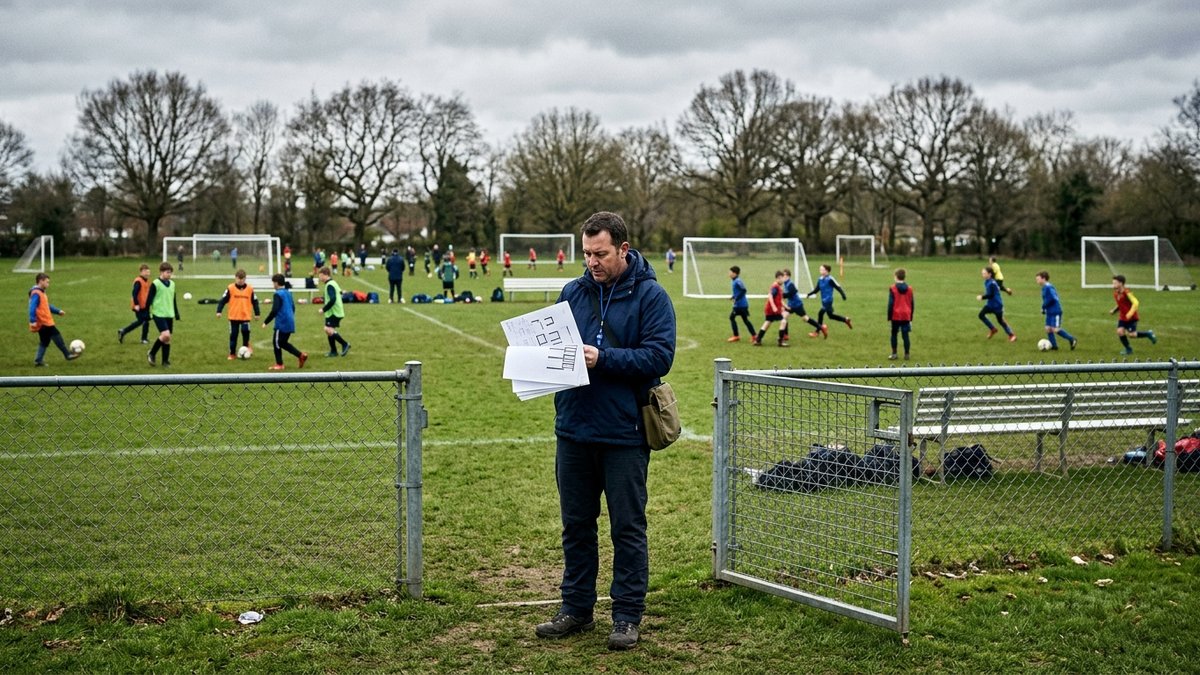
How do you streamline league scheduling when fields, referees, and weather changes keep forcing edits? You stop treating the schedule like a one-time document and start treating it like a living match-day system. That shift matters in youth soccer, where one wet field, one missing referee, or one school event can ripple through an entire weekend. If you build your schedule around buffers, ownership, and fast updates, you can keep changes from turning into chaos.
Why Do Youth Soccer Schedules Break Down So Often?
Youth soccer schedules usually break down because three moving parts change at once: field access, referee availability, and local weather. Many clubs share space with schools, parks departments, baseball programs, or city events, so a field that looked available two weeks ago can disappear by Friday afternoon. Research used for this post also points to field conflicts affecting roughly 15 to 20 percent of schedule slots in some leagues.
Referee coverage creates a second weak point. Shortages and no-shows force assignors to reshuffle games on short notice, especially during tournament weekends or peak spring stretches. When a league is already thin on available officials, one late cancellation can affect multiple kickoff times.
Weather is the third disruption, and usually the most visible one. Reports cited in the research behind this article estimate that weather delays or cancellations can affect roughly 25 to 40 percent of outdoor youth match windows, depending on season and region. That is why the real problem is not just bad weather, it is whether your scheduling process can absorb it.
What Is The Best Way To Organize League Scheduling Changes?
The best way to organize league scheduling changes is to put every game detail into one shared operating system with one clear owner for final updates. If fields live in one spreadsheet, referees in email, and coach notifications in text threads, every edit creates confusion before it creates clarity. A centralized schedule reduces the chances that two people make different edits to the same game.
A simple way to do this is what I call the One-Board Scheduling Rule. Every match should have one visible source of truth that includes field, kickoff time, referee status, and the latest update timestamp. Coaches do not need five tools, they need confidence that the version they are seeing is the current one.
For team-side organization, tools that support lineup planning and match-day coordination help coaches stay steady even when the bigger league calendar changes. Pitch Planner’s coach getting started guide is a useful baseline for organizing team information in one place before schedule edits start piling up.
How Much Buffer Time Should You Build Into A Match Schedule?
Most youth soccer leagues should build in 15 to 30 minutes between games at shared venues, especially during weather-prone seasons. That buffer gives you room for a late referee arrival, a field inspection delay, or a previous game that starts late and finishes late. Without that margin, one small issue rolls forward into every later kickoff.
Buffer time feels inefficient when everything goes right, but it saves weekends when things go wrong. If your venue regularly hosts multiple age groups back to back, the buffer is what prevents the noon game from inheriting all the problems from the 9:00 a.m. game. It also gives coaches a realistic arrival and warmup window instead of asking everyone to sprint from parking lot to kickoff.
The same logic applies across the season. Build reschedule windows into the calendar before the first match is played. If a league knows spring storms are likely, it should reserve make-up dates in advance rather than trying to negotiate new dates from scratch after every rainout.
How Can Coaches Reduce Confusion When A Game Changes Late?
Coaches reduce confusion fastest when they send one update, through one channel, with one clear decision. The message should tell families whether the game is still on, moved, delayed, or canceled, and it should include the exact field, arrival time, and next check-in time. Parents can handle bad news better than vague news.
This is where role clarity matters. If the scheduler updates the master calendar, but the team manager updates families, and the coach confirms player availability, each person knows what to do next. Pitch Planner’s coach and manager roles help page is useful here because it mirrors the real division of labor that keeps match day calmer.
Late changes also hurt more when attendance is fuzzy. If you already know who can still make the adjusted kickoff time, you can change plans faster and with less sideline stress. That is why many coaches pair schedule updates with a quick attendance check, using a workflow like Pitch Planner’s attendance tracking guide to confirm who is available after a change.
A Practical Workflow For Fields, Referees, And Weather
The most reliable workflow is to review fields early, confirm referees 48 hours before kickoff, and define weather decision checkpoints before game day starts. This sequence matters because not every problem deserves the same urgency. A field closure at 7:00 a.m. should trigger a different response than an unconfirmed referee on Thursday night.
Start with fields. Shared calendar systems such as Teamup are built to prevent double-booking by showing venue use across teams and groups in one place, which is exactly what leagues need when parks and schools share space. If a field has a history of drainage issues or conflicting users, flag it as a higher-risk slot before the week begins.
Next, confirm referee assignments with enough lead time to replace a decline or no-show. USA Soccer’s rules and regulations hub is not a scheduling manual, but it does reflect how much organized competition depends on proper match administration and official coverage. In practice, leagues that use a 48-hour referee confirmation window give themselves a much better chance to recover before families are already driving to the complex.
Then decide weather checkpoints in advance. For example, set one review the night before and one final decision window two to three hours before kickoff. If your region sees repeated spring washouts, publish the rain plan at the start of the season so coaches know whether the default response is delay, relocation, or make-up scheduling.
What Should A League Do First After A Rainout Or Referee Cancellation?
A league should first freeze the affected game details in one shared system, then assign the next action owner before sending broad communication. That prevents three different people from improvising three different fixes. The first goal is control, not speed for its own sake.
After that, work in sequence. Confirm whether the field can be moved, whether a backup referee is available, and whether the existing match slot can be preserved with a delay. Only after those options are checked should the league move into full rescheduling mode.
This is also the moment to protect coaches from admin overload. If league staff handles venue and official decisions centrally, coaches can focus on player readiness, attendance, and lineups instead of chasing logistics across multiple contacts. That separation keeps the team side functional while the league side solves the disruption.
Youth Soccer League Scheduling That Survives Changes FAQ
How Far In Advance Should Youth Soccer Schedules Be Built?
Most leagues should build the season framework months in advance, then confirm finer details one to two weeks before matches. Early planning helps reserve fields and referee pools, while shorter confirmation windows make it easier to absorb real-world changes.
Should Coaches Handle Rescheduling Directly With Other Teams?
Usually, no. Central league control works better because it prevents side deals that create field or referee conflicts elsewhere in the calendar. Coaches should report availability and constraints, but one scheduler should own the final version.
What Is The Biggest Cause Of Last-Minute Scheduling Stress?
The biggest cause is fragmented communication. When the field list, referee assignments, and team updates all live in different places, even a small change takes too long to confirm and spreads inconsistent information.
How Do You Keep Parents Calm During Schedule Changes?
Send short updates with exact details and a specific next check-in time. Families get more frustrated by uncertainty than by a cancellation, so clarity matters more than a long explanation.
Is It Better To Reschedule Immediately Or Wait For More Information?
It is better to confirm the real constraint first. If a field can reopen, a referee can be replaced, or kickoff can shift by 30 minutes, you may avoid a full reschedule and save everyone more disruption.
Can Scheduling Software Really Reduce League Chaos?
Yes, if the league actually uses one platform as the source of truth. Software helps most when it prevents double-booking, timestamps updates, and makes it easy for coaches and managers to see the same change at the same time.
The leagues that handle constant edits best are not the ones with perfect weather or unlimited staff. They are the ones with a repeatable system. If you want scheduling to feel calmer this season, start with one shared board, one update owner, and one communication rhythm that coaches and families can trust.